

What is the energy density of BYD's batteries?
Sep 01, 2025
Leave a message
Hey there! I'm a supplier for BYD, and today I wanna dive deep into the energy density of BYD's batteries. You might be wondering, "What on earth is energy density, and why does it matter?" Well, stick around, and I'll break it all down for you.
First off, let's get the basics straight. Energy density is basically how much energy a battery can store in a given volume or mass. It's like how many snacks you can cram into your backpack - the more snacks (energy) you can fit in the same space, the better. In the world of batteries, a higher energy density means your device (like an electric car) can go further on a single charge, or your gadget can last longer without needing a top - up.
Now, BYD is a big name in the battery game, especially when it comes to electric vehicles (EVs). They've been pushing the boundaries of battery technology for years, and it shows in their energy density figures.
One of the things that makes BYD's batteries so special is their use of different chemistries. They've got Lithium - Iron - Phosphate (LiFePO4) batteries, also known as LFP batteries. These are pretty popular because they're safer and have a longer lifespan compared to some other types of lithium - ion batteries. The energy density of BYD's LFP batteries has been steadily increasing over the years. In the early days, they were good, but not mind - blowing. But now, they're getting really impressive.
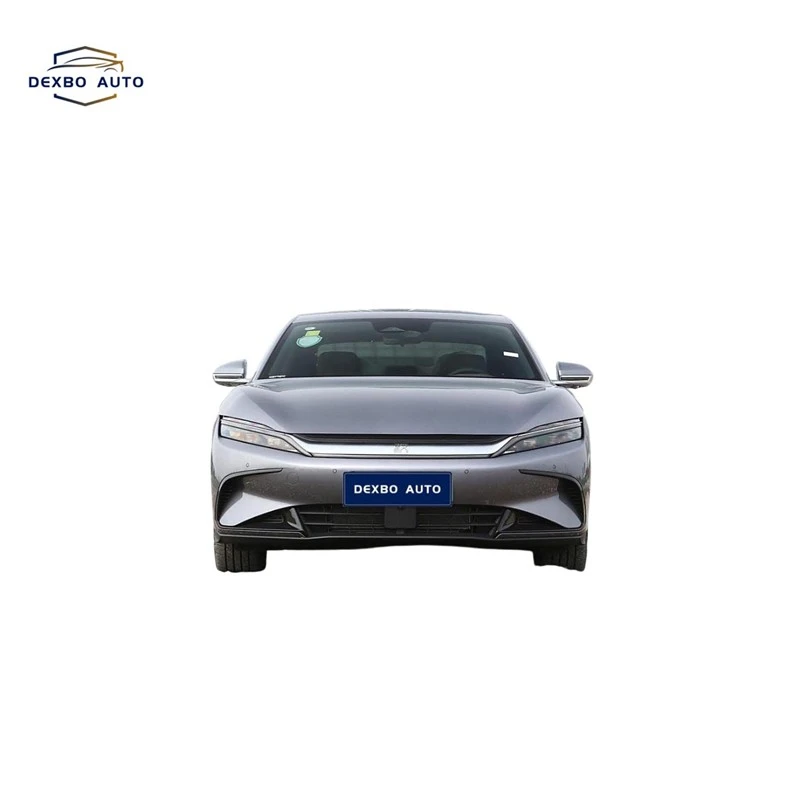
For example, take a look at the New BYD Han. This sleek and powerful EV is a showcase of BYD's battery technology. The battery in the New BYD Han has an energy density that allows it to have a decent range on a single charge. It's not just about going fast; it's about going far, and that's where high energy density comes in. The engineers at BYD have worked hard to optimize the battery design, packing more energy into a smaller space. This means more room for passengers and cargo in the car, without sacrificing on range.

Another great example is the 2025 BYD Song Plus. This SUV is built for families and those who need a bit more space. The battery in the 2025 Song Plus has an improved energy density compared to previous models. It can handle longer trips without the need for frequent charging stops. This is a game - changer for people who are still a bit hesitant about switching to electric vehicles. With a high - energy - density battery, range anxiety becomes less of an issue.
Then there's the 2025 BYD Tang. This is a larger vehicle, and it needs a battery that can power it efficiently. The energy density of the battery in the 2025 BYD Tang is high enough to give it a competitive edge in the market. It can go toe - to - toe with some of the other luxury SUVs out there, both in terms of performance and range.
So, how does BYD manage to keep improving the energy density of their batteries? Well, it's a combination of research and development, and a commitment to innovation. They're constantly looking for new materials and manufacturing processes. For instance, they're exploring ways to use different types of cathodes and anodes in their batteries. By tweaking these components, they can increase the amount of energy the battery can store.
Another factor is their investment in battery management systems (BMS). A good BMS is like the brain of the battery. It helps to balance the charge and discharge of the battery cells, ensuring that each cell is used efficiently. This not only improves the energy density but also extends the lifespan of the battery.
But it's not all about the numbers. The high energy density of BYD's batteries also has real - world implications. For one, it's better for the environment. When an EV can go further on a single charge, it means less frequent charging, which in turn means less energy consumption from the grid. And if that grid is powered by renewable energy sources, it's a win - win for the planet.
From a consumer perspective, high - energy - density batteries mean more convenience. You don't have to worry about finding a charging station every few hours on a long road trip. You can just get in your car and go, knowing that you've got enough juice to reach your destination.
Now, as a supplier to BYD, I've seen firsthand the quality and innovation that goes into their batteries. I'm really proud to be a part of their supply chain. And if you're in the market for high - quality batteries, whether it's for an EV project, a stationary energy storage system, or something else, I'd highly recommend considering BYD.
The energy density of BYD's batteries is only going to get better in the future. With their ongoing research and development efforts, we can expect even more impressive numbers in the coming years.
If you're interested in working with BYD or want to know more about their batteries for your business, I'd love to help you out. Just reach out, and we can start a conversation about how BYD's high - energy - density batteries can meet your needs. Whether you're a car manufacturer looking to power your next EV model or a utility company in need of energy storage solutions, BYD has the technology and the expertise. So, don't hesitate to get in touch and let's talk about how we can make your project a success.
References
- Industry reports on BYD battery technology
- BYD official product specifications and press releases